
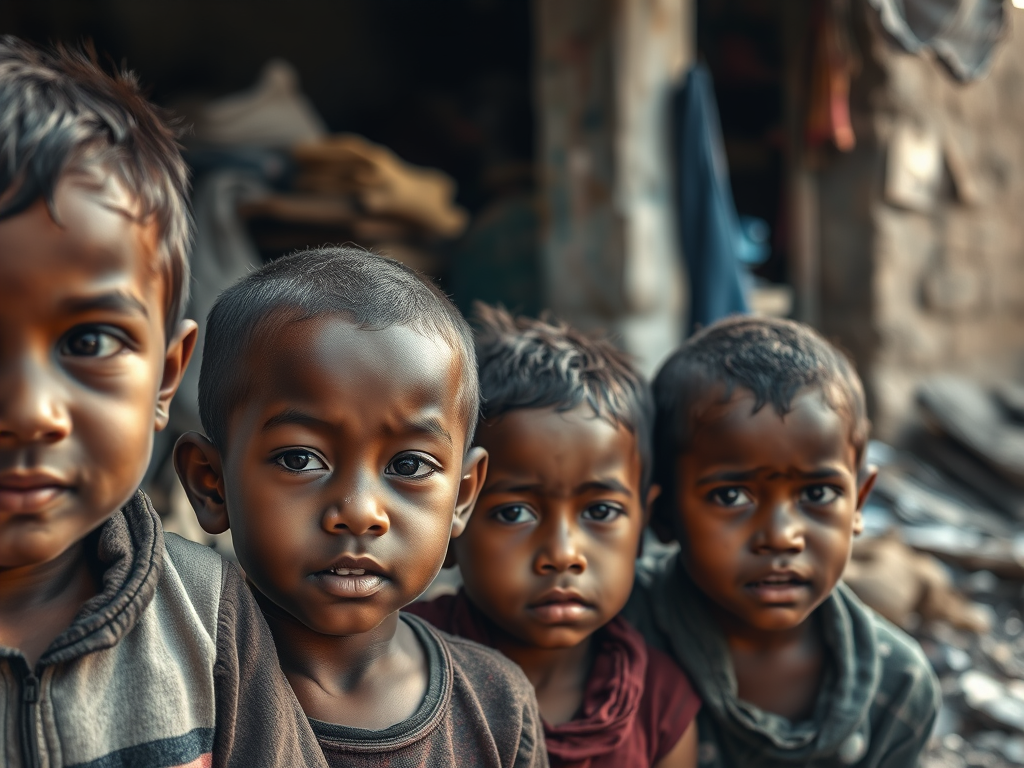
Childhood poverty is often reduced to a simple statistic, but behind the numbers lie the quiet struggles of millions of young lives. It’s more than just a lack of financial resources; it’s a complex web of limitations that can affect health, education, and future opportunities from the very first breath. Understanding the full scope of childhood poverty is the first step toward meaningful action.
What Defines Childhood Poverty?
At its core, childhood poverty means growing up in a household with insufficient income to meet basic needs. This includes safe housing, nutritious food, adequate healthcare, and educational resources. However, the reality of childhood poverty extends beyond the material. It often involves emotional and social deprivation, limiting a child’s ability to thrive and envision a different future. You might be surprised to learn how close to home this issue can be, affecting urban, suburban, and rural communities alike.
The Hidden Impacts Beyond the Budget
The consequences of childhood poverty are insidious and long-lasting. It’s not merely an empty pantry; it’s the constant stress that can rewire a developing brain. It’s the “opportunity gap” in schools where resources are thin. It’s the higher risk of chronic illness and the difficult choice between a textbook and a winter coat. This daily reality of childhood poverty creates barriers that are incredibly hard for a child to overcome alone. You can see its shadow in attendance records, health statistics, and graduation rates.
Breaking the Cycle: What You Can Do
Confronting childhood poverty can feel overwhelming, but collective and individual action creates real change. Here is what you can do:
1. Educate Yourself and Others
Awareness is power. Seek out local data on childhood poverty in your own community. Understanding the specific challenges—whether it’s food deserts, affordable housing shortages, or underfunded schools—allows you to advocate and act precisely where it’s needed.
2. Support Proven Local Organizations
You can directly impact childhood poverty by supporting community-based programs. Donate, volunteer, or advocate for nonprofits providing direct services: after-school tutoring, food banks, free medical clinics, and mentorship programs. These organizations are frontline defenders against the immediate effects of childhood poverty.
3. Use Your Voice for Policy Change
Lasting systemic change requires policy intervention. You can contact your local and national representatives to voice support for policies that lift families out of poverty, such as the Child Tax Credit, affordable housing initiatives, and equitable school funding. Advocate for the children who cannot vote.
4. Be a Conscious Community Member
Small actions matter. You can support school supply drives, donate quality outgrown clothing, or simply foster an inclusive environment where every child feels valued. Challenge stereotypes and stigmas associated with poverty whenever you encounter them.
A Future Within Reach
Ending childhood poverty is a moral and achievable imperative. It requires a shift from seeing it as an inevitable fact to treating it as a solvable problem. You hold the power to contribute to that solution—through your awareness, your resources, your voice, and your compassion. Together, we can build a reality where every child has the foundation they need to dream, grow, and succeed.
The hidden reality of childhood poverty demands our attention. Now that you see it, you can be part of the change.